In 2026, running a marketing campaign without leaning on AI feels like trying to navigate Karachi traffic with a paper map—possible, but you’re missing the shortcuts, real-time alerts, and smoother routes that everyone else is using. I’ve watched this shift up close over the last couple of years. Small businesses here in Sindh used to rely on manual Facebook ads or basic email blasts; now, even street vendors with a WhatsApp catalog are seeing AI suggest better timing or personalize messages to repeat customers. The difference isn’t magic—it’s strategy. The brands and agencies that win aren’t just throwing AI at problems; they’re building campaigns around proven approaches that deliver measurable lifts in engagement, conversions, and ROI.
These aren’t experimental ideas pulled from hype decks. They’re battle-tested tactics from 2025-2026 campaigns that moved the needle for big names and smaller players alike. Nike’s anniversary spot, Popeyes’ quick-response roast, Coca-Cola’s creative playground—these showed what happens when AI isn’t an add-on but the engine. Here are five proven AI campaign strategies that actually work right now, explained with real examples, practical steps, and the pitfalls to dodge.
Hyper-personalization at scale through predictive segmentation
Personalization used to mean slapping a first name in an email subject line. In 2026, AI turns that into dynamic, behavior-driven experiences across channels. Predictive models analyze past purchases, browsing patterns, location data (with consent), and even real-time signals like weather or time of day to segment audiences into micro-groups and serve tailored content.
Nike’s “Never Done Evolving” campaign in 2025 nailed this. They used AI to generate a video featuring two versions of Serena Williams—one from her teenage years, one at 35—facing off in a virtual match. The personalization went deeper: the platform pushed variants based on viewer demographics and interests. Sports fans saw motivational angles; younger audiences got evolution themes. It racked up over 100 million views and broke engagement records because the message felt custom-made.
How to apply it: Start with tools like Google Analytics 4 or HubSpot’s AI features to build predictive audiences. Feed in CRM data, website interactions, and social signals. Set up rules where AI scores leads or customers on propensity to buy—say, someone who’s viewed running shoes three times gets a dynamic ad with personalized discount codes. In Pakistan, where mobile dominates, integrate with WhatsApp Business API for hyper-local messages: “Rainy day in Karachi? Here’s 20% off waterproof sneakers based on your last browse.”
One local e-commerce guy I know tested this for Eid campaigns. AI segmented by past purchase categories (clothing vs. accessories) and sent personalized video ads via Instagram Reels. Conversion jumped 35% compared to generic blasts. The catch: over-personalization creeps people out—always include opt-outs and transparent data use notices. Privacy laws are tightening, so build trust early.
Agentic AI for autonomous campaign management
The big leap in 2026 is agentic AI—systems that don’t just suggest; they execute. These autonomous agents handle multi-step workflows: research audiences, generate creatives, launch tests, monitor performance, adjust bids, and even pause underperforming elements—all with minimal human input.
Google’s Demand Gen campaigns, powered by AI-driven audience discovery, bridged search and YouTube data to find high-engagement moments. Marketers set goals and budgets; the system expanded reach using cross-platform signals. Results showed incremental conversions without constant tweaking.
Popeyes’ “Wrap Battle” diss track against McDonald’s in 2025 was built fast with agentic tools. When the rival launched a similar product, Popeyes’ team used AI video generators and music tools to create a response spot in days. The agent monitored social sentiment, amplified winning versions, and drove massive shares.
To implement: Use platforms like Jasper Campaigns or AirOps to chain agents. Define objectives (“maximize sign-ups under PKR 50 CPC”), provide brand guidelines, and let the agent draft copy, create variants, A/B test, and optimize. For smaller budgets, start with Google’s Performance Max or Meta’s Advantage+—they’re agentic under the hood.
A friend running a digital agency in Lahore set up an agent for client lead-gen campaigns. It handled ad creation, targeting tweaks, and reporting; his team focused on strategy. Client acquisition costs dropped 40%. Watch for over-reliance—agents still need human oversight for brand voice and ethical boundaries.
Generative Engine Optimization (GEO) for AI discovery channels
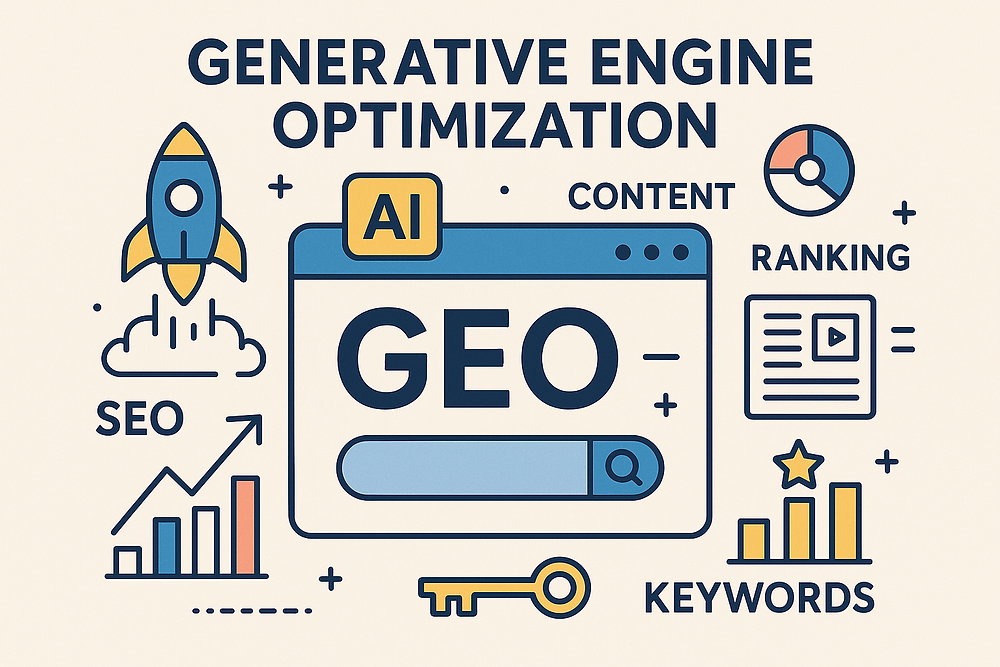
Traditional SEO focused on Google rankings. In 2026, with AI overviews, ChatGPT Search, and agent recommendations, brands optimize for citation in LLM responses. GEO structures content so models trust and reference it—clear, authoritative, structured data with sources.
Kantar’s trends report highlighted this shift: 74% of AI assistant users seek recommendations from models. Brands that prime LLMs with meaning (recipes, how-tos) get picked.
Coca-Cola’s “Create Real Magic” let users generate art with AI, then shared outputs. The campaign fed back into models, boosting visibility in creative queries.
Practical steps: Create FAQ-style pages, use schema markup, publish detailed guides. For local markets, mix Urdu-English content with regional keywords. Tools like Surfer or Frase help optimize for AI engines.
A Pakistani travel agency optimized blog posts for “best budget trips from Karachi” with structured lists and sources. They appeared in AI travel planners more often, driving organic bookings up 28%.
Dynamic creative testing and real-time adaptation
AI generates dozens of ad variants—headlines, images, CTAs—then tests them in real time, serving winners to segments. This beats manual A/B testing by orders of magnitude.
Unilever’s Dove used AI-generated influencer visuals via Nvidia Omniverse for social campaigns. Digital twins allowed rapid iteration based on engagement data.
In practice: Meta’s Advantage+ Creative or Google’s AI Max for Search expand terms and customize text dynamically. Set up campaigns with multiple assets; AI mixes and matches.
A small fashion brand here tested 50+ Reel variants for summer collections. AI promoted high-engagement ones (vibrant colors, local models), boosting ROAS 2.5x. Avoid generic output—seed with strong brand assets.
Predictive analytics for intent-based timing and budgeting
AI forecasts customer intent from signals—search trends, social sentiment, economic indicators—to time campaigns and allocate spend.
Salesforce Einstein helped brands like U.S. Bank with lead scoring that adapted in real time, lifting conversions dramatically.
For timing: AI predicts peak interest (Eid shopping spikes) and schedules pushes. Budget-wise, it shifts spend to high-ROI channels automatically.
A Karachi-based food delivery service used predictive tools to ramp ads before iftar times based on historical data. Orders rose 45% during windows.
These five—hyper-personalization, agentic management, GEO, dynamic testing, predictive timing—form a solid 2026 playbook. Start small: pick one that matches your pain point (low engagement? Try dynamic creatives). Measure ruthlessly—track incremental lift, not just vanity metrics.
A local startup owner switched to agentic setups after wasting budgets on static ads. Within months, campaigns ran smoother, costs dropped, and revenue climbed. AI doesn’t replace strategy; it amplifies it. Combine these with human creativity—your local insights, cultural nuances—and you’ll outpace competitors still stuck in 2024 playbooks. The future rewards those who adapt smartly. Get testing, stay ethical, and watch the results roll in.